

Trekking in Nepal’s majestic Himalayas is a life‑changing experience, but the right gear can make all the difference between comfort and struggle. Whether you’re heading to Everest Base Camp, Annapurna Circuit, or a short Poon Hill trek, packing the correct trekking gear for Nepal ensures safety, comfort, and enjoyment throughout your journey. In this comprehensive gear guide, we’ll walk you through everything you need — from clothing and footwear to backpacks and essential accessories — so you trek prepared and confident.
For more information on Top Trekking Destination: Visit Top Treks In Nepal.
Why the Right Trekking Gear Matters
Packing correctly isn’t just about comfort — it’s essential for safety at high altitudes and unpredictable weather conditions in Nepal. The Himalayas can be hot in the valleys, freezing at night, and wet in rain or snow. A well‑planned gear list protects you from cold, rain, blisters, fatigue, and altitude challenges. Good gear also helps reduce weight and lets you move efficiently on long days of trekking. Nepal Trekking Routes
Essential Clothing for Your Trek
1. Base Layers
Moisture‑wicking thermal tops and bottoms form the foundation of your trekking outfit. Avoid cotton — it holds moisture and can cause chill at night.
2. Mid Layers
A warm fleece jacket or lightweight down jacket helps regulate body heat during cold mornings and evenings.
3. Outer Shell
Waterproof and windproof jackets and pants are a must, especially in monsoon or snow seasons. Breathable shells keep you dry without overheating.
4. Trekking Shirts & Pants
Quick‑dry, lightweight synthetic shirts and trekking pants keep you comfortable on steep climbs and in strong sun.
5. Headwear & Gloves
Sunglasses with UV protection and a wide‑brim sun hat help guard against high‑altitude sun. Insulated gloves and a warm beanie are essential above 3,000 m.
Footwear & Sock Essentials
- High‑quality hiking boots – waterproof and broken‑in before your trek
- Trekking socks (merino or synthetic) – 3–6 pairs to prevent blisters
- Camp sandals/shoes – for relaxing in lodges after long days on the trail
Comfortable, sturdy footwear not only protects your feet but also supports your ankles on rocky, uneven Himalayan trails. Red Reach Himalaya Trek
Backpacks & Bags
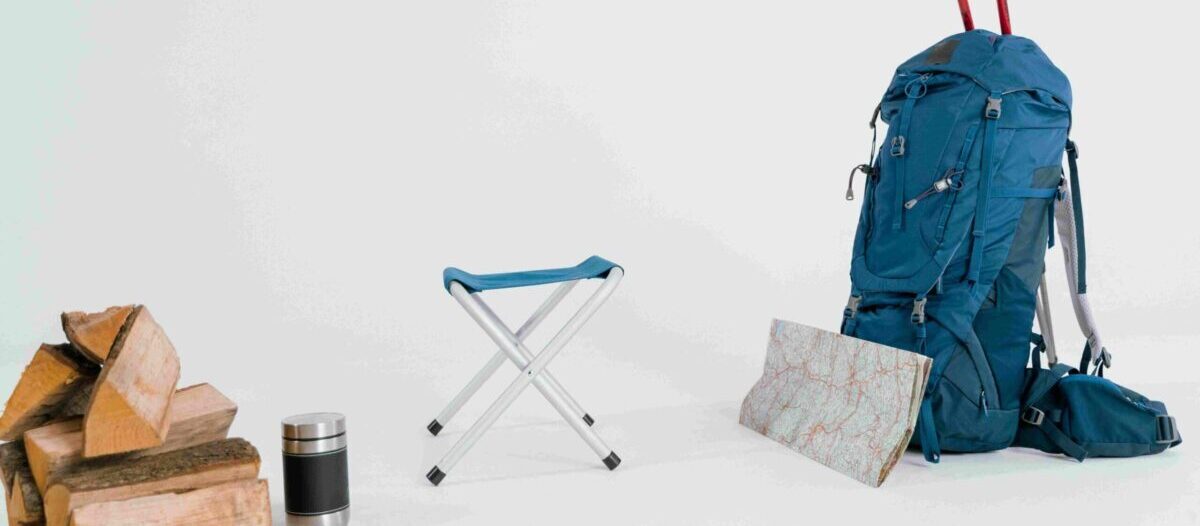
- Main Backpack (50–70 L): To carry your clothing and heavy gear
- Daypack (20–30 L): For daily essentials like water, snacks, camera, and jacket
- Duffel Bag & Rain Cover: To protect your gear during transit and portering
Using dry bags or waterproof liners inside your backpack adds extra protection from sudden rain or snow. mountainsherpatrekking.com
Gear & Accessories You Can’t Forget
- Trekking Poles: Reduce strain on knees and improve balance
- Headlamp (with spare batteries): For early starts or late arrivals
- Water Purification Tablets/Filter: Clean drinking water on the trail
- First Aid Kit: Include altitude sickness meds, plasters, and pain relievers
- Sunscreen & Lip Balm: Necessary at high altitude sun exposure
- Hydration System: Refillable bottles or bladder with at least 2 L capacity
- GPS/Offline Maps: Useful in remote sections of the trek Abound Holidays Pvt. Ltd.
Electronics & Safety Essentials
- Power Bank/Solar Charger: Keeps devices charged when electricity is limited
- Camera/Phone: For capturing breathtaking Himalayan views
- Plug Adapter: Nepal uses Type C, D, and M sockets
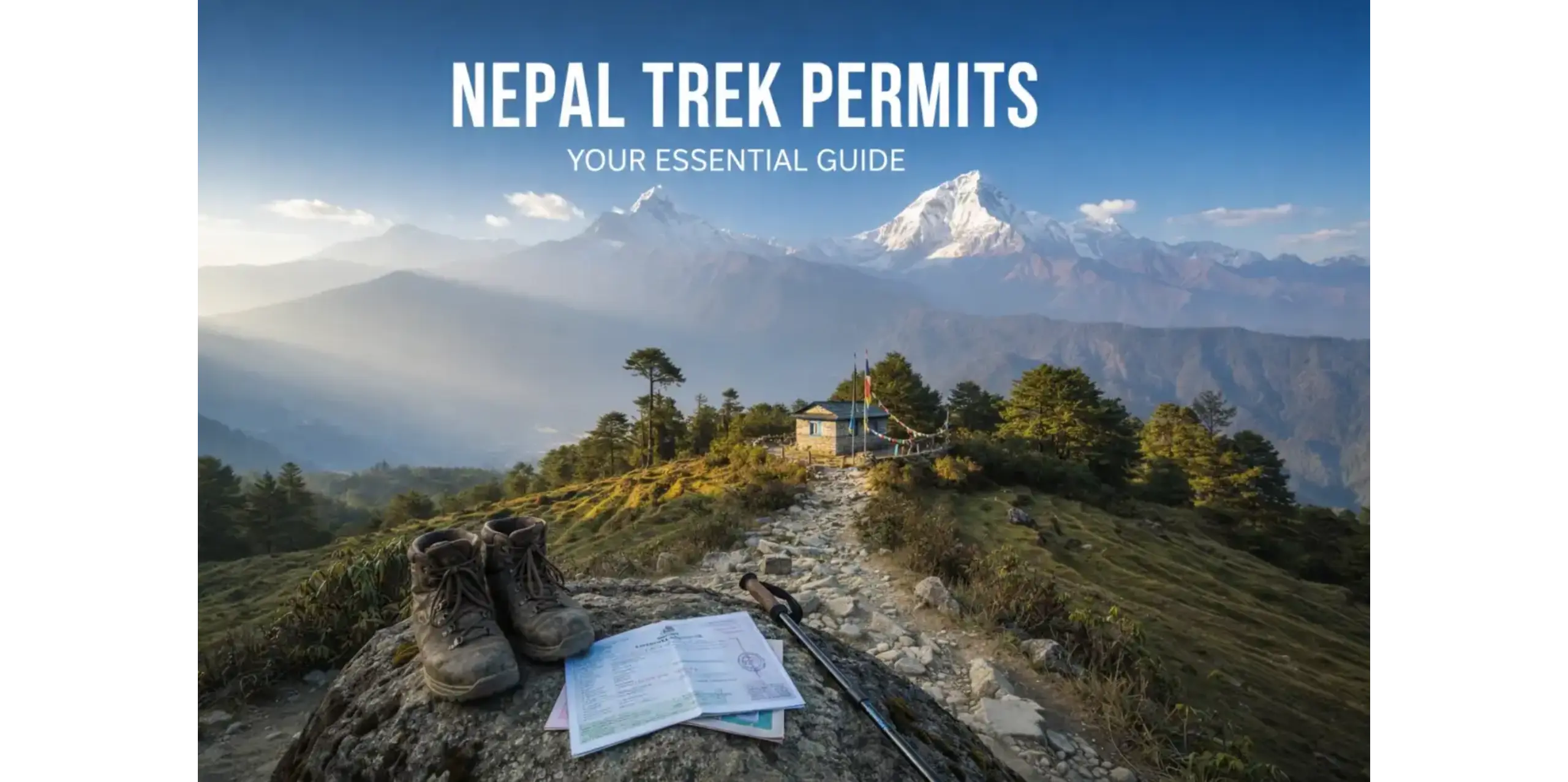
- Permit & Documents: Keep permits in waterproof bags — don’t forget copies
How to Pack Smart for Your Trek
Packing smart means balancing necessity with weight. Prioritize:
- Quality over quantity — better gear can save you weight and discomfort
- Layering clothes — for flexible temperature control
- Renting gear in Nepal for items like sleeping bags or down jackets if you don’t own them
In Kathmandu or Pokhara, local gear shops offer a range of trekking equipment, and many rentals include sleeping bags and waterproof jackets at affordable rates. fromeverest.co
Conclusion: Be Prepared, Trek Confidently
Choosing the right trekking gear for Nepal is one of the best investments you can make for a Himalayan adventure. Quality clothing, sturdy footwear, and essential accessories keep you safe, dry, and comfortable throughout your trek. Whether you’re attempting the legendary Everest Base Camp Trek or a shorter mountain route, proper gear transforms your experience from challenging to truly memorable.
Need personalized advice, packing checklist, or help organizing your gear with your itinerary? Don’t hesitate to contact our team at Start Treks Nepal — we’re here to help you every step of the way!
FAQs About Trekking Gear for Nepal
Q1: What is the best backpack size for Nepal treks?
A: A 50–70 L backpack works best for overnight and multi‑day treks, with a daypack for daily essentials.
Q2: Can I rent trekking gear in Nepal?
A: Yes, you can rent items like sleeping bags and down jackets in Kathmandu or Pokhara for a fraction of the purchase cost.
Q3: Do I need waterproof gear for every trek?
A: Waterproof jackets and pants are essential, especially during monsoon season or in high‑altitude windy conditions.
Q4: How many pairs of socks should I carry?
A: At least 3–6 moisture‑wicking socks to avoid blisters and keep feet dry.