


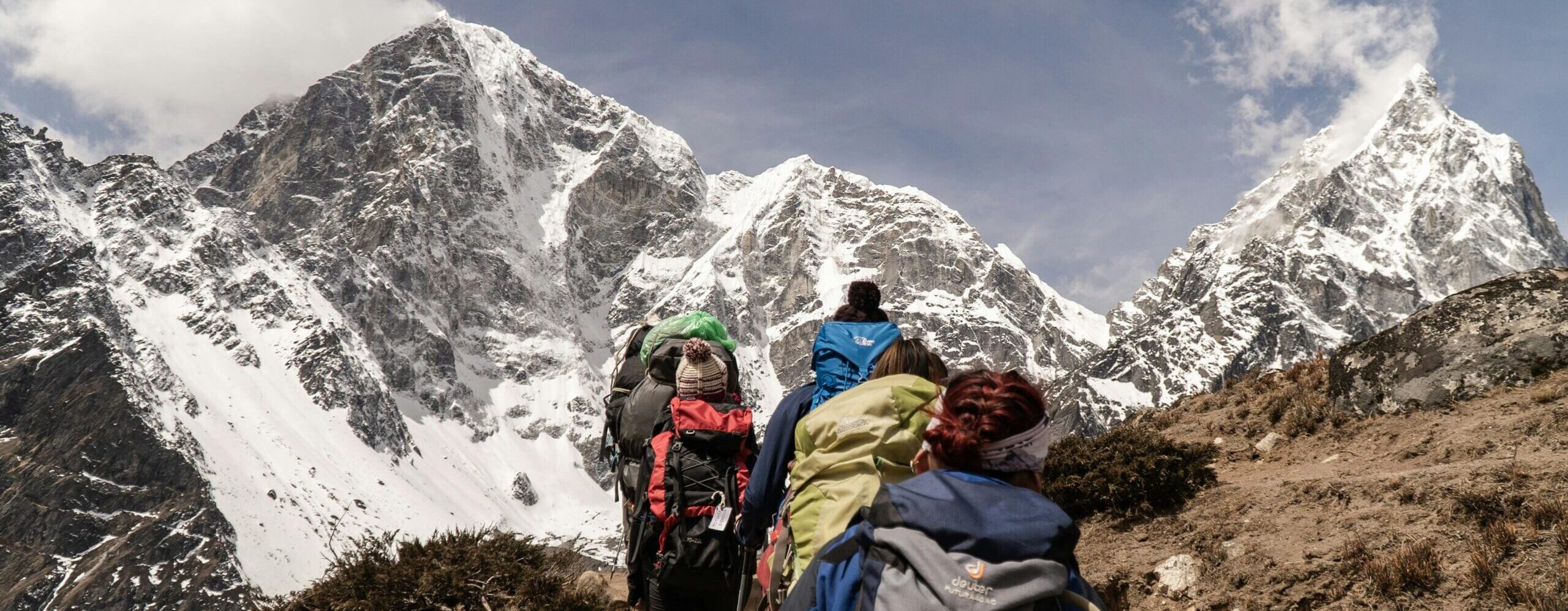
Trekking in Nepal is a dream for adventure lovers, but many travelers ask an important question before planning their journey: is trekking in Nepal safe? The short answer is yes, but safety depends on preparation, route selection, weather awareness, and responsible trekking practices.
This guide explains everything you need to know about trekking safety in Nepal, especially for solo travelers, female trekkers, and first-time visitors.
For more information on safety, weather, rules and regulations on trekking: Visit the following official sites,
Overall Safety of Trekking in Nepal
Nepal is considered one of the safest trekking destinations in the world. Popular trekking regions like Everest, Annapurna, Langtang, and Mardi Himal have:
- Well-marked trails
- Established teahouse networks
- Local communities familiar with the tourists
- Rescue services available in any emergencies
Violent crime against trekkers is extremely rare, especially in trekking regions.
Is Solo Trekking in Nepal Safe?
Solo trekking in Nepal is generally safe on popular routes, but there are some considerations as well:
Safe for Solo Trekkers
- Everest Base Camp
- Annapurna Base Camp
- Ghorepani Poon Hill
- Langtang Valley
Important Safety Tips for Solo Trekking
- Avoid trekking in remote areas alone
- Inform your lodge or locals about your next stop
- Carry a map, power bank, and offline GPS
- Do not trek after dark
Is Nepal Safe for Female Trekkers?
Yes, Nepal is one of the safest countries in Asia for female trekkers. Many women travel solo or in small groups every year.
Why Female Trekkers Feel Safe in Nepal
- Respectful local culture
- Strong tourism economy
- Friendly lodge owners and guides
Safety Tips for Female Trekkers
- Dress modestly in villages
- Avoid isolated trails alone
- Choose registered guides if unsure
Common Risks While Trekking in Nepal
While Nepal is safe, trekkers should be aware of natural risks:
Altitude Sickness
- Most common trekking risk
- Can be avoided by proper acclimatization
Weather Changes
- Sudden snowfall or rain
- Always check weather forecasts
Trail Conditions
- Landslides during monsoon
- Icy trails in winter
Do You Need a Guide for Trekking in Nepal?
For safety reasons, hiring a guide is recommended if you:
- Are trekking for the first time
- Are unfamiliar with high altitude
- Want cultural and route insights
Guides increase safety, help in emergencies, and enhance the overall experience.
Safest Treks in Nepal for Beginners
If safety is your top concern, these treks are ideal:
- Ghorepani Poon Hill Trek
- Mardi Himal Trek
- Langtang Valley Trek
- Everest Panorama Trek
Conclusion: Is Trekking in Nepal Safe?
Is trekking in Nepal safe? Yes — for solo travelers, women, beginners, and experienced adventurers alike, trekking in Nepal is safe when you plan responsibly and follow basic safety guidelines. With welcoming locals, established trails, and experienced guides, Nepal remains one of the world’s most secure trekking destinations.
If you’re wondering “Is trekking in Nepal safe for me?”, our team can help you plan your trek according to your experience, season, and route preferences. Reach out through Our team at Start Treks Nepal for personalized guidance. With careful planning, trekking in Nepal can be a safe, enjoyable, and unforgettable adventure.
FAQs – Trekking Safety in Nepal
Is trekking in Nepal safe for beginners?
Yes, many treks are beginner-friendly with proper acclimatization and guidance.
Is solo trekking allowed in Nepal?
Yes, solo trekking is allowed on most routes, especially popular trails.
Is travel insurance required for Nepal trekking?
Yes, insurance covering high-altitude trekking and evacuation is highly recommended.
Are there rescue services available?
Yes, helicopter rescues are available in major trekking regions.
What is the safest season to trek in Nepal?
Spring (March–May) and Autumn (September–November) are the safest seasons.